Introduction
Strong branding is the difference between a product people buy once and a company people love forever. The true branding meaning goes far beyond logos or colors it’s about how people feel, trust, and connect with a business. Whether it’s Apple, Nike, Zomato, or Starbucks, their marketing works because their brand works.
But many businesses still get confused about:
- What is the branding meaning in marketing?
- Are branding and marketing the same thing?
- What is a brand plan?
- What is brand promotion?
- And what brand building strategies actually work?
This guide explains everything in a simple and practical way so you can build a brand that stands out, earns loyalty, and grows sustainably.
Branding Meaning in Marketing
Branding in marketing refers to the process of shaping how people see, feel, and remember your business.
Branding meaning in marketing in simple lines
- Branding defines your business identity what you stand for and how customers perceive you.
- It includes your name, logo, design, tone of voice, and customer experience.
- Branding creates emotional connections, not just visual elements.
- Branding differentiates you from competitors even if products are similar.
- Branding makes customers choose you not because you’re the cheapest, but because they trust you.
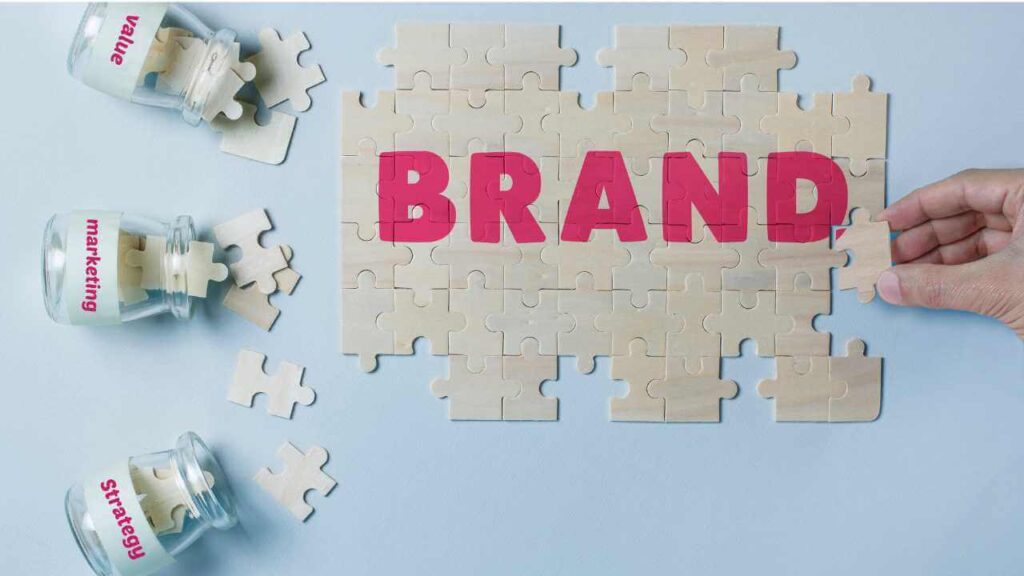
In short: Branding creates meaning. Marketing spreads that meaning.
Branding and Marketing: What’s the Difference?
Branding and marketing work together but serve different purposes.
Branding focuses on identity
- Who are you?
- What do you stand for?
- Why should people trust you?
- What emotions do you want customers to feel?
Marketing focuses on communication
- How do you reach customers?
- How do you promote your message?
- How do you generate demand and conversions?
Simple distinction
- Branding = long term
- Marketing = short term + measurable
- Branding builds perception
- Marketing drives action
Marketing can bring visitors today, but branding keeps them coming back tomorrow.
Why Branding Is So Important for Businesses
- Branding builds trust, which improves conversions and customer loyalty.
- Branding reduces price sensitivity because customers pay for experience, not cost.
- Branding increases recognition, making your business memorable in crowded markets.
- Branding attracts the right audience and repels the wrong one.
- Branding makes marketing cheaper because loyal customers convert faster.
A strong brand earns revenue even without aggressive advertising.
Core Elements of Branding in Marketing
These are the building blocks of every brand:
Brand Purpose
Why your brand exists beyond making money.
Brand Vision
Where you want your brand to be in the next 3–5 years.
Brand Values
Principles your company stands by.
Brand Personality
The tone, style, and emotions your brand expresses.
Brand Identity
Your visuals (logo, colors, typography), messaging, and voice.
Brand Experience
How customers feel at every touchpoint website, store, service, support.
Brand Promise
The expectation you set every time someone interacts with your business.
Brand Building Strategies
Here are the most powerful strategies to build a memorable brand:
1. Define Your Brand’s Core Message Clearly
A strong brand message tells people exactly what you offer, why you’re different, and why they should care.
2. Create a Consistent Visual Identity
This includes your logo, color palette, fonts, imagery, and design style — all used consistently across platforms.
3. Build a Unique Personality for Your Brand
Your tone of voice should be friendly, expert, humorous, bold, classic, or playful and consistent everywhere.
4. Understand Your Ideal Customer Deeply
Successful brands study customer pain points, motivations, habits, and emotions.
5. Tell a Story That People Can Connect To
Storytelling makes your brand human and relatable; customers remember stories more than ads.
6. Deliver Great Experiences at Every Touchpoint
Brand experience matters more than branding visuals; consistency builds trust.
7. Use Social Proof Like Reviews, Ratings & Testimonials
People trust other customers more than brands; social proof boosts credibility.
8. Collaborate With Creators & Influencers
Influencers add authenticity and reach new audiences aligned with your brand.
9. Build Community Around Your Brand
Communities help customers feel connected and valued creating organic loyalty.
10. Maintain Consistency Across All Channels
Consistency builds familiarity, and familiarity builds trust the core of branding.
What Is a Brand Plan?
A brand plan is a strategic document that outlines how a brand will grow, communicate, and position itself in the market.
A brand plan includes:
- Brand mission, vision, and purpose
- Competitive analysis and target audience research
- Brand positioning statement
- Messaging pillars and identity guidelines
- Marketing and communication objectives
- Content strategy and storytelling plan
- Growth roadmap and brand KPIs
A brand plan gives direction, ensures consistency, and aligns the entire team.
What Is Brand Promotion?
Brand promotion is the process of increasing awareness and preference for your brand through marketing activities.
Brand promotion includes:
- Advertising (digital + offline)
- Social media campaigns
- Influencer collaborations
- PR and media outreach
- Events, webinars, and sponsorships
- Content and email marketing
Brand promotion communicates what your brand stands for and why customers should choose you.
Branding and Marketing: How They Work Together
Branding creates the foundation; marketing activates it.
Branding provides:
- Identity
- Vision
- Personality
- Emotion
- Trust
Marketing uses:
- SEO
- Ads
- Social media
- Email campaigns
- PR
- Content
Without branding, marketing becomes forgettable.
Without marketing, branding remains invisible.
Together, they build a profitable, long-lasting business.
How to Build a Brand in 2025
Follow this practical, beginner friendly brand building process:
1. Research your audience and competitors to identify gaps you can fill.
Understanding the market ensures your brand stands out, not blends in.
2. Define your positioning: who you serve, how you help, and why you’re different.
Positioning keeps your messaging focused and memorable.
3. Build a visual identity system that matches your personality and values.
Your visuals should communicate your tone instantly.
4. Create messaging pillars and tone of voice guidelines for consistency.
Words matter as much as design — clear messaging = clear brand.
5. Build a strong content strategy to share your story and expertise.
Content builds trust, authority, and long-term visibility.
6. Use digital platforms to promote your brand consistently.
Your brand should feel the same across social media, website, ads, and emails.
7. Collect feedback & refine your brand experience continuously.
Great brands evolve based on audience needs not assumptions.
FAQs
1. What is branding meaning in marketing?
Branding meaning in marketing refers to shaping customer perceptions using identity, messaging, visuals, and experiences that make a business memorable and trustworthy.
2. What is brand promotion?
Brand promotion means increasing visibility and preference for a brand using advertising, social media, influencers, PR, events, and other marketing activities.
3. What are brand building strategies?
Brand building strategies include defining your message, designing identity, storytelling, delivering consistent experiences, using social proof, and forming emotional connections.
4. What is a brand plan?
A brand plan is a strategic roadmap outlining how a brand positions itself, communicates, grows, and remains consistent across all channels.
5. How are branding and marketing different?
Branding shapes identity and perception; marketing drives actions, traffic, and conversions. Branding builds trust, while marketing spreads the brand’s message.
Conclusion
Branding is no longer optional it is the backbone of business success.
A strong brand influences perception, builds loyalty, and lowers acquisition costs.
When combined with powerful marketing strategies, branding creates a compounding effect that drives long-term growth.
