
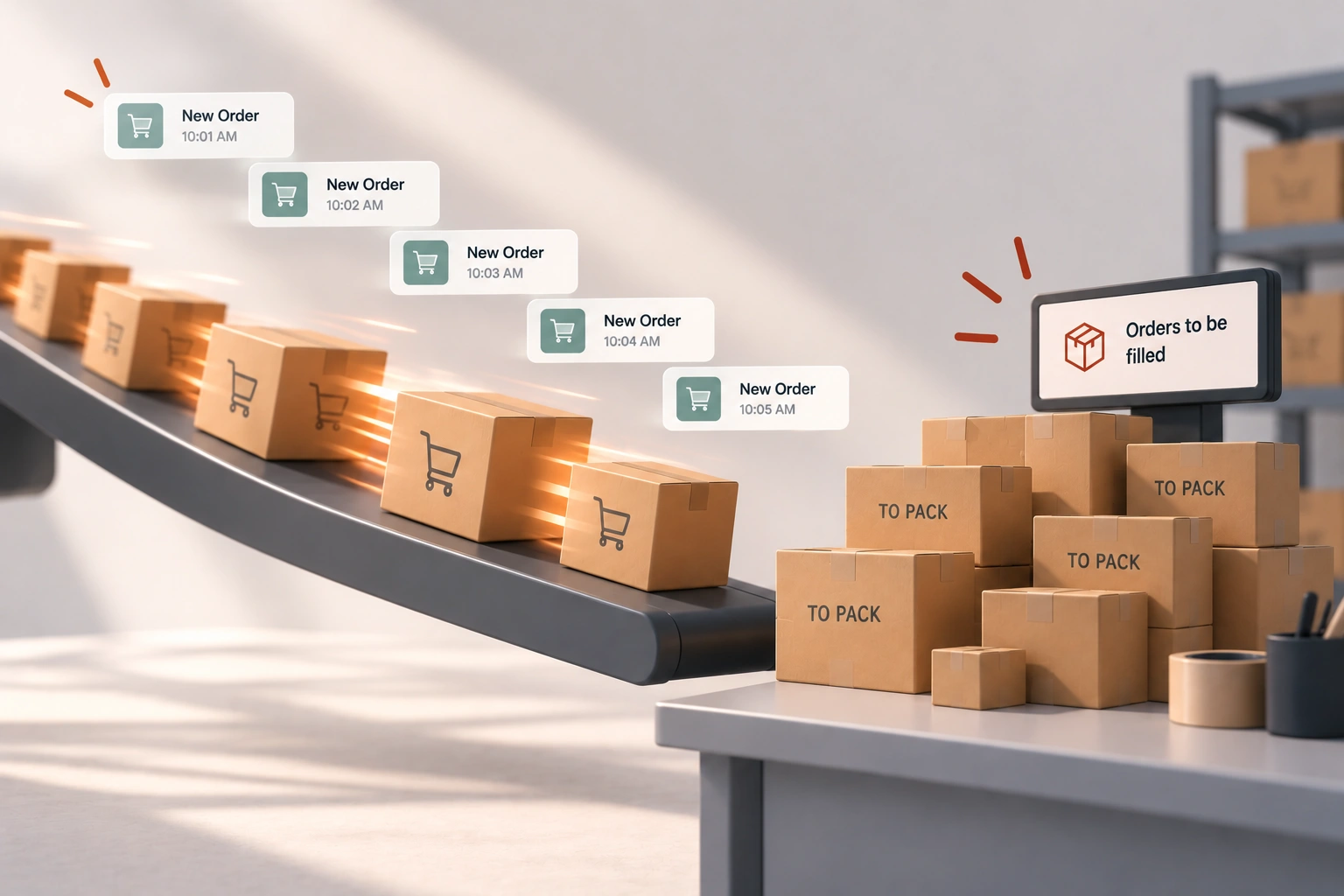
The costliest festive outcome is not wasted spend — it is advertising that performs against capacity that does not exist. Cancellations, refunds and a permanent set of reviews describing exactly what went wrong, bought at the highest media prices of the year. Capacity is also not one number but the narrowest of several, and in most Indian businesses the binding constraint is people rather than stock. Since advertising is the only lever that moves in an afternoon while delivery and staffing do not, the decision to slow down has to be pre-agreed with a named trigger and a named person.
Most festive post-mortems are about money that did not work.
The more expensive version is the opposite. The campaign worked, orders arrived faster than the business could fill them, and everything after that was damage.
Cancellations. Refunds processed in January. A support queue nobody could clear. And a set of reviews, written by people who were let down at the one moment of the year when the timing was the entire point.
That is peak-priced advertising spent on manufacturing your own worst reviews, and they do not wash out. Our article on reviews sets out why a theme repeated by eight customers survives being surrounded by ninety good ones — and “did not arrive before the festival” is exactly the kind of theme that gets repeated.
Capacity is the narrowest number, not the obvious one
Businesses plan festive capacity as stock, because stock is countable and somebody owns it.
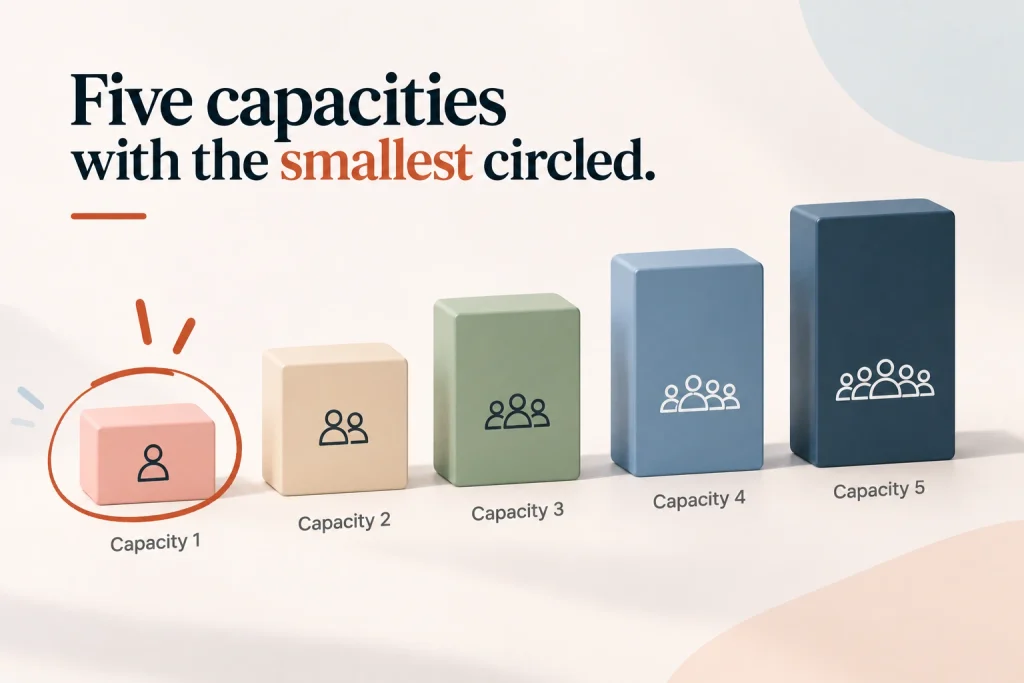
The actual ceiling is the smallest of several.
Stock or production. The one everybody counts.
Delivery and logistics. Your own or a partner’s, and partners are constrained by every other business in the same window.
Installation, fitting or service slots, for anything that requires somebody to attend. These are the hardest to expand and the easiest to forget, because they are booked in a diary rather than held in a warehouse.
Payments, returns and reverse logistics, which nobody models until the returns arrive.
And people who answer the phone. In most Indian SMEs this is the binding constraint and almost nobody plans against it. You can hold three times the stock and still fail, because the same four people are answering calls, confirming addresses, chasing couriers and handling complaints — and they were the constraint at ordinary volume.
Work out which of those is smallest, express it as orders per day, and treat that as the number. Everything else is capacity you cannot use.
Advertising is the only fast lever
Here is the asymmetry that makes this a marketing article rather than an operations one.
You can double your spend this afternoon. One field, one confirmation, done.
You cannot double your delivery capacity this afternoon. Or your warehouse throughput, or your installation slots, or the number of trained people answering the phone. Every one of those is a decision made weeks earlier, and several are constrained by suppliers who are also at their limit.
So the only control that responds at the speed festive demand moves is the one generating the demand.
Which means slowing down is a marketing action, and it has to be planned like one — before the season, in writing, by somebody who will not be the person under pressure when it is needed.
The throttle, and what it needs to exist

Five things, none of which can be assembled during the week they are wanted.
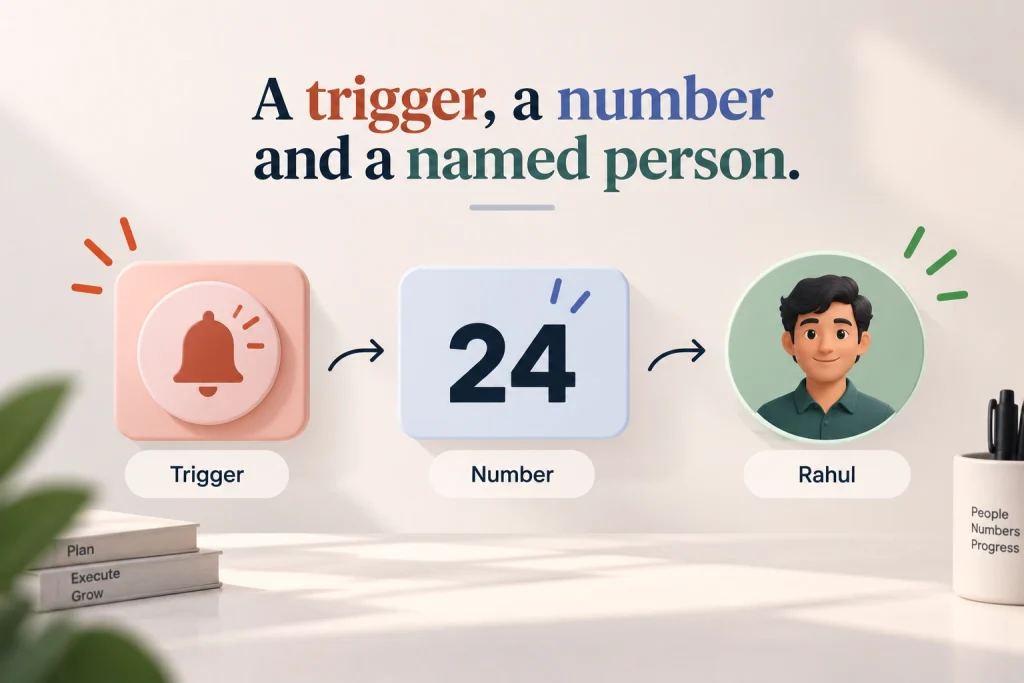
A number. Orders per day at which you are at capacity, from the narrowest constraint above. Not a feeling.
A trigger. What specifically causes the throttle to be pulled — two consecutive days above the number, or a delivery backlog beyond a stated age, or a support queue past a stated size. Written down, agreed with operations in July.
A named person. Who is authorised to slow spend without a meeting, at any hour. If that authority sits with somebody who will be unreachable during a festival, it does not exist.
A partial mechanism. Most businesses only know how to pause everything, which throws away the season. Better: throttle by geography, by product, or by the campaign carrying the longest delivery promise. Turning off one city with a stretched courier is a smaller decision than turning off the season.
And the creative and page you will need, written in August. A clear message that orders placed after a date will arrive after the festival, or that a line is sold out, or that bookings are now for the following week. Written calmly in advance rather than at midnight by whoever is still awake.
Selling anyway is a refund with extra steps
The default response to hitting capacity is to keep selling and manage expectations afterwards. Extended delivery promises, backorders, a note at checkout.
That works in ordinary trading. It does not work when the delivery date is the entire reason for the purchase.
A gift that arrives after the festival is not a late delivery. It is a failed purchase, and the customer’s response is a cancellation, a refund request and frequently a review — because the thing they bought it for has passed.
There is also a representation question worth taking seriously rather than treating as fine print. Advertising a delivery date you have reason to believe you cannot meet is a different matter from an unforeseen delay, and India’s e-commerce rules take an interest in what sellers represent about delivery.
The honest alternative is to say so early. A business that stops taking orders for on-time delivery, and says why, keeps the customer. One that takes the money and misses the date loses the customer and the review.
Scarcity is not always a problem
The counterweight, because the article would otherwise argue for timidity.
For services, bespoke work, high-value products and anything with a genuine constraint, selling out reads as information rather than failure, and stated early it is persuasive — a business that is full is a business other people chose.
The distinction is entirely about when you say it.
Announcing in the second week that the remaining slots are limited, and closing bookings when they go, reads as competence. Discovering in the final week that you cannot deliver what you sold reads as chaos, and it is the same underlying fact arriving at a different time.
Which is another argument for knowing the number in July.
The conversation nobody has
The structural reason this goes wrong every year is that two forecasts exist in two rooms.
Marketing forecasts demand. Operations forecasts capacity. They are rarely compared in the same meeting before September, by which point the media plan is written and the stock is ordered.
Put the two numbers on one page in June, next to each other, and ask a single question: what happens if marketing hits its number?
If the answer is that operations cannot serve it, you have found the season’s real plan — and it usually involves spending less than the budget allows, which is an unusual and correct conclusion.
The money held back for this is the reserve our budget article argues for, and this is the situation it exists to cover.
What we cannot tell you
We cannot tell you your capacity. It is the narrowest of five numbers and four of them live outside the marketing team.
We cannot tell you how much demand a given budget produces. That is your account’s history and our pillar covers what happens to costs in the window.
And we cannot tell you when to stop. The trigger has to be set by whoever owns the delivery, and the only genuinely wrong answer is not deciding until it happens.
Final thoughts
Work out the smallest of your five capacities and write it as orders per day. Agree the trigger, name the person, and prepare the sold-out creative in August.
Then put the marketing forecast and the operations forecast on one page in June and ask what happens if the campaign works.
A festive season that ends with unsold capacity is a disappointment. One that ends with unfilled orders is a year of reviews.
If you want the two forecasts reconciled before you commit the budget, you can reach out to us on whatsapp at +91 7738844851 .
More in Blog
Keep reading
All articles →


Ready to talk about your growth?
Tell us what's stuck and we'll tell you what we'd do first. Free, 30 minutes, no pitch.