
The festive cohort is the largest group of customers a business acquires all year and the least representative one. A meaningful share bought a gift for somebody else, bought at a discount they had been waiting for, or bought for an occasion that recurs annually rather than monthly — so retention advice built on ordinary customers over-predicts what they will do next. And at festive the buyer and the user are frequently different people, which means the person on your list never opened the product and every usage-based message reaches somebody with no experience of it. Sort the cohort by why they bought rather than what they bought, and for a gift purchase the right next contact is eleven months away.
You end the season with more new customers than you have had all year, and a marketing team that has been told to make the most of them.
Then the standard retention sequence runs, and it produces very little.
Not because the sequence is bad. Because it was designed for a cohort that behaves normally, and this one does not.
The cohort is not representative
An ordinary new customer bought because they had a need, at a price they accepted, for themselves.
The festive cohort contains a great many people who do not match that description. Somebody buying a gift. Somebody who wanted the product in July and waited for the discount. Somebody buying for an occasion that comes round once a year.
Each of those will behave differently from your ordinary customer, and none of them will behave like the cohort your retention playbook was built on.
Which produces a specific failure. The business measures the repeat rate of the festive cohort against its usual repeat rate, finds it much lower, and concludes that festive customers are worthless. They are not worthless. They were measured against the wrong benchmark and contacted with the wrong message.
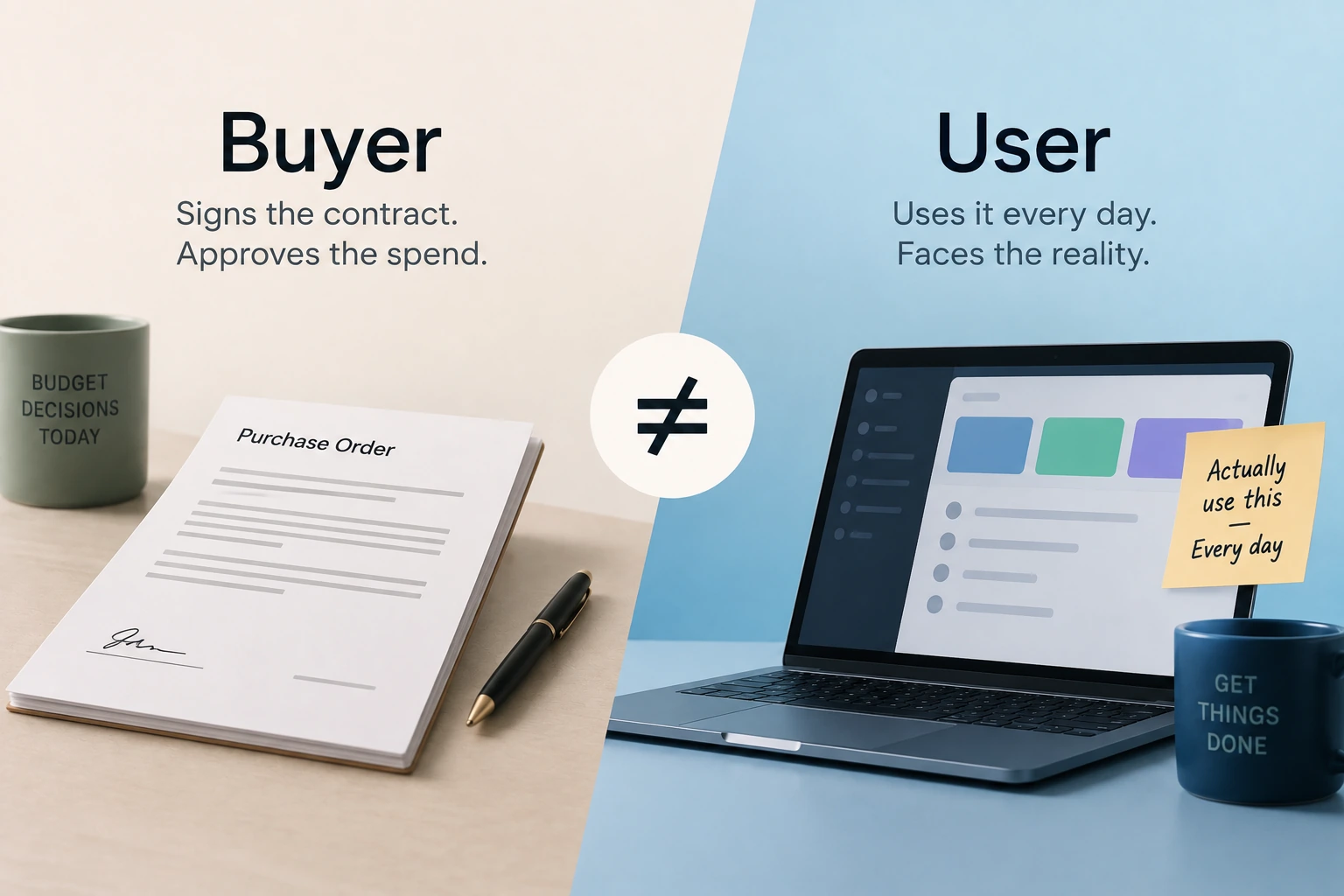
The buyer is often not the user
The part that almost nothing published addresses, and it is the most consequential.
A gift purchase separates two roles that every retention system assumes are one person.
The buyer is on your list. They have the account, the email address, the order history. They have never opened the product, never used it, and have no opinion about how well it works.
The user is not on your list at all. They have the product, formed the view, and would be the natural person to ask for a review or sell an accessory to. You cannot reach them.
So a usage-based sequence — how are you getting on with it, here is a tip, here is the refill — arrives at somebody who cannot answer any of it. And the person who could is invisible to you.
Two honest responses.
Ask the buyer whether it was a gift, at the point of purchase or shortly after. One question, and it sorts your cohort permanently.
And give the buyer something they can pass on. A guide, a warranty registration, a setup note addressed to whoever will use it. That is the only bridge available, it is used far less than it should be, and a proportion of recipients will register and become reachable in their own right.
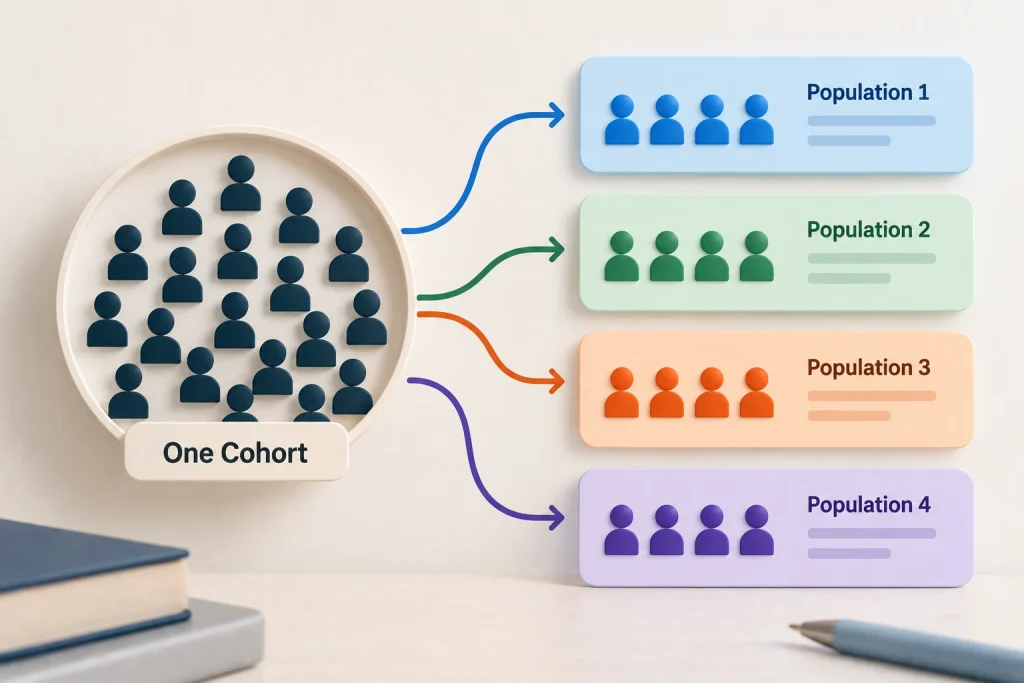
Sort by motive, not by product
The framework, and it costs one question and one field.
Self-purchase at full price. Your best acquisition of the season. They wanted it, they paid for it, they used it. Treat them as you would any good customer and expect them to behave like one.
Self-purchase on discount. They wanted it and waited. Our discount article explains what that trained them to do, and the honest expectation is that they will wait again. A full-price approach converts poorly; the useful move is a genuine reason to buy that is not a discount.
Gift purchase. The buyer is an annual customer, not a monthly one. Their next natural moment is the next occasion, and everything before that is noise. The user is somebody you cannot reach unless you built the bridge above.
Marketplace purchase. Not yours, for the reasons our marketplace article sets out. Any retention plan that assumes you can contact these people is planning around a customer list you do not have.
Four populations, four different next moments. Most Indian businesses run one sequence across all four and measure the average.
The eleven-month reminder
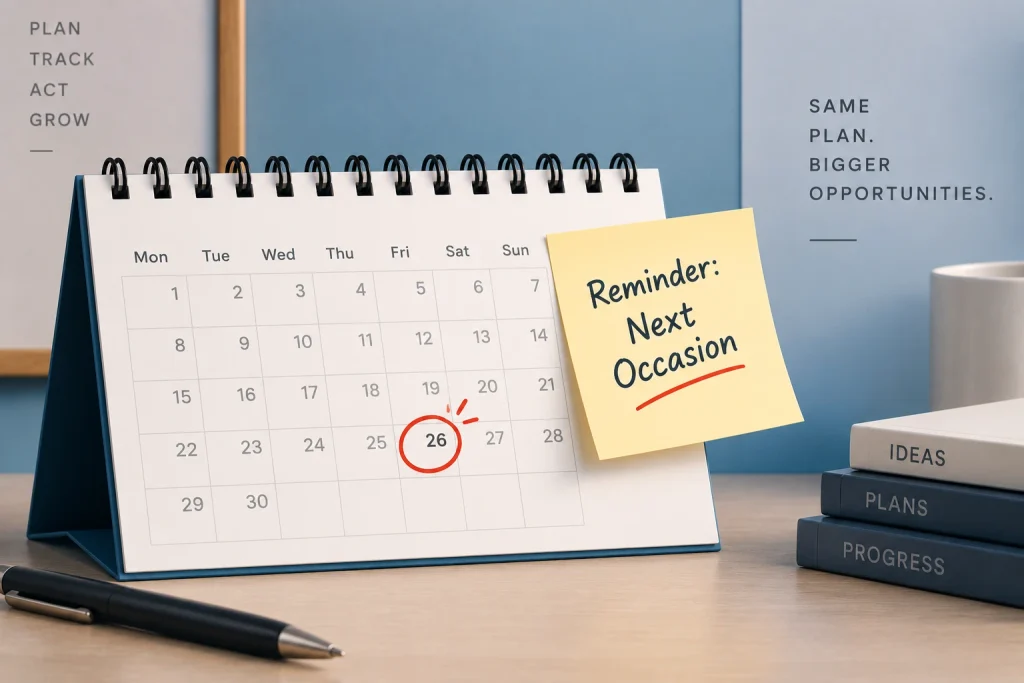
The most under-built asset in Indian festive retail, and it is close to trivial.
A gift buyer has a recurring occasion. They bought for a festival, an anniversary, a birthday or a wedding season, and that occasion will come round again.
The right contact is dated to the next occasion, not to a standard retention interval. A message eleven months later, referencing what they bought last time and arriving before the buying window opens, reaches somebody at the exact moment the need returns.
Almost nobody builds this, for two reasons. It requires recording why they bought, which is the one question above. And it requires a trigger dated far into the future, which most teams assume is complicated — the mechanics are covered in our automation article and they are not.
The reason it works is that you are the only business contacting them at that moment, because everybody else’s retention sequence expired ten months ago.
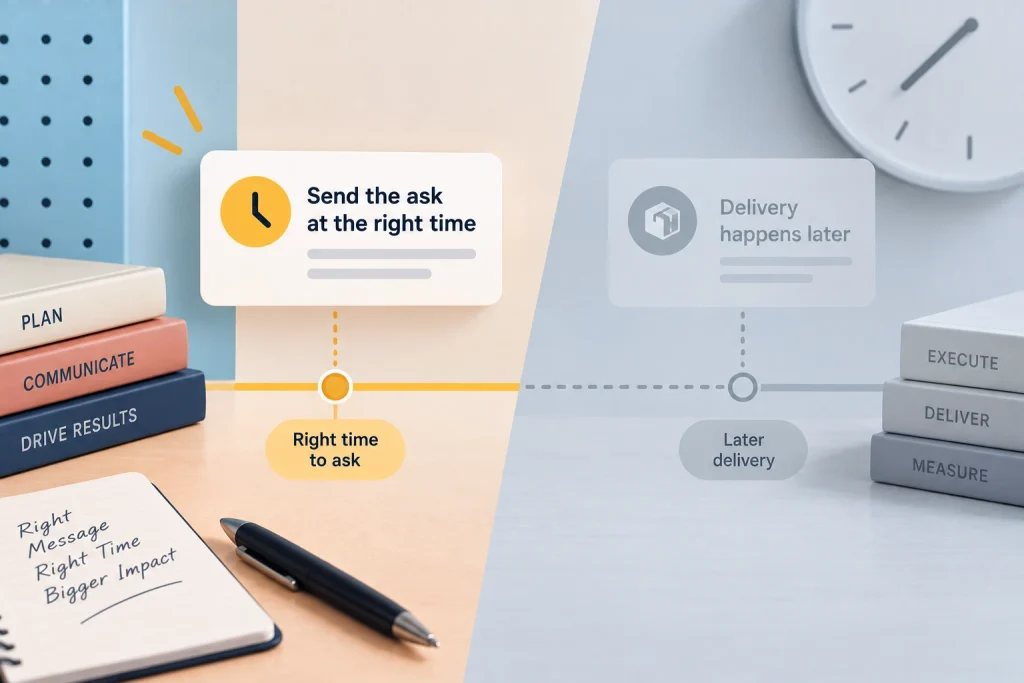
Time the review ask to use, not to delivery
A correction to standard practice, and it follows from the buyer-user split.
The usual trigger for a review request is delivery. For a festive purchase that is wrong twice over.
The product has not been used yet — it is wrapped, waiting for the occasion. A review written at that point is about the packaging and the courier.
And for a gift, the person who receives your request never used it at all. They can tell you it arrived. Nothing else.
So delay the ask until after the occasion has passed and the thing has been used, which for festive purchases means several weeks rather than several days. Our January article covers why that month is a review month; this is the mechanism that makes it one.
For a gift purchase, ask the buyer whether the recipient was pleased rather than asking them to review a product they never opened. It is a different question, it is answerable, and it frequently produces a better response than a review request would.
Two things not to do
Do not cross-sell to somebody still waiting for delivery. They are anxious about whether the first thing arrives, and an advertisement for a second thing reads as indifference. Our retargeting article covers the exclusion that prevents this and it applies to email and messaging equally.
And do not discount the cohort you just acquired on a discount. A January offer to people who bought in October at thirty per cent off teaches the lesson twice in one quarter, and our January article describes what that does to the following year.
If you want to reactivate that group, give them something that is not a price.
What the cohort is genuinely worth
The honest accounting, because the article has spent its length lowering expectations.
A festive cohort is worth having, provided it is measured on its own terms. Sorted by motive, the full-price self-purchasers alone frequently justify the acquisition cost, and they are invisible inside a blended figure.
And the gift buyers have a long, thin value that most businesses never collect because they stop contacting them in February. One well-timed message a year, for several years, is a cheap annuity.
The mistake is expecting the whole cohort to behave like the best quarter of it, and then abandoning all of it when the average disappoints.
What we cannot tell you
We cannot tell you what proportion of your festive purchases were gifts. Nobody knows until they ask, and asking is one field.
We cannot give you a festive repeat rate. It varies by category and by how much of your cohort was bought on discount, and any published figure was measured on somebody else’s mix.
And we cannot tell you what a gift recipient is worth, because for most Indian businesses that person is entirely unmeasured.
Final thoughts
Ask one question at purchase: was this for you or for somebody else. That single field sorts the cohort permanently and changes every message that follows.
Then contact each of the four groups at their own next moment rather than at a standard interval — and for the gift buyers, build the message dated eleven months out that nobody else will send.
Delay the review ask until the thing has been used. And resist offering the discounted cohort another discount.
If you want the cohort sorted and the eleven-month trigger built before the next season, you can reach out to us on whatsapp at +91 7738844851 .
More in Blog
Keep reading
All articles →
Ready to talk about your growth?
Tell us what's stuck and we'll tell you what we'd do first. Free, 30 minutes, no pitch.